
Future of Dyslexia Assessment - AI as a powerful Ally
Will AI deliver the results?
Rashmi Sathish
11/26/20252 min read

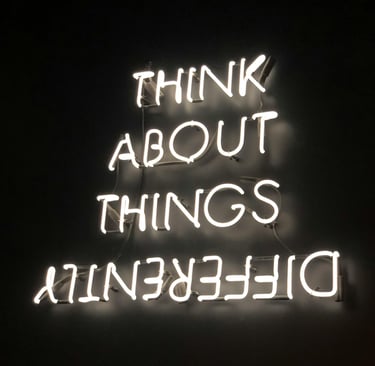
Artificial Intelligence (AI) is transforming education, from personalised learning platforms to smarter assessment tools. One of its most promising applications is in supporting dyslexia assessors—the specialists responsible for identifying and supporting individuals with dyslexia. AI is not here to replace human expertise; instead, it acts as a powerful assistant, helping assessors make faster, more accurate, and more informed decisions.
Understanding the Role of Dyslexia Assessors
Dyslexia assessors are trained professionals who evaluate a learner’s reading, writing, spelling, memory, and processing skills to determine whether they meet the criteria for dyslexia. This process can be time-consuming and requires careful analysis of large amounts of data, including test results, observations, and background information. AI technologies are now making this work more efficient and more precise.
How AI Can Support Dyslexia Assessment
Faster, accurate analysis: AI quickly processes large amounts of data and identifies patterns such as letter reversals, slow processing, and phonological weaknesses.
Early screening: AI tools can detect early signs of dyslexia in young children by analysing reading speed, sound recognition, and response patterns.
Greater objectivity: AI applies consistent criteria, reducing human bias and supporting reliable results.
Personalised support: AI helps create individual learning profiles to guide targeted intervention plans.
Less paperwork: AI can automate scoring and reporting, giving assessors more time to support students.
Implications: What This Means for Assessors, Educators and Learners
For assessors: AI tools offer a way to supplement and streamline their work — freeing up time for interpretation, discussion, and planning, rather than purely data crunching.
For schools and clinics: AI-driven screening could mean more students are tested early, reducing the risk that dyslexia goes unnoticed until academic difficulties become severe.
For learners and families: Early, accurate detection — followed by tailored support — improves the chances of academic success, boosts confidence, and helps avoid long-term frustration or misunderstanding.
Ethical and Practical Considerations — Awareness Remains Key
Even though AI shows strong promise, it must be deployed thoughtfully:
AI-based screening should complement, not replace, professional human assessment — human experience, judgement, and empathy remain crucial, especially for sensitive diagnoses.
Data collection (eye-tracking, reading behaviour, response times) must respect privacy and consent.
AI tools must be validated across different languages, age groups, and cultural contexts — dyslexia is universal but manifests differently, and one tool may not fit all.
A Collaborative Future Between AI and Human Expertise
With as many as 1 in 10 people experiencing dyslexia, reliable and effective screening is essential. When used responsibly, AI can make dyslexia assessment more efficient, fair, and accessible, helping assessors identify learners sooner and design better, more personalised support plans.
AI does not replace the expertise, empathy, and professional judgement of dyslexia assessors — it strengthens it. By improving accuracy and reducing workload, AI gives professionals more time to focus on what matters most: the learner.
In the end, the goal is not just to assess, but to empower every individual to reach their full potential.
Co-ordinates
© 2024 Lowercase Solutions Ltd. All rights reserved. All information, content, and materials on this website are the property of Lowercase Solutions Ltd. and may not be reproduced, distributed, or used without prior written permission.
info@lowercase.org.uk
Registered & Trading Office :The Ingenuity Lab, Room C16, The Ingenuity Centre, University of Nottingham, Jubilee Campus Nottingham, NG7 2TU